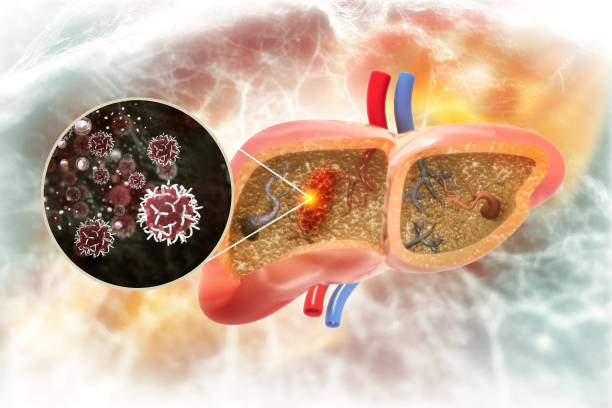
Liver surgery, also known as hepatic surgery, involves procedures performed on the liver to treat various liver conditions, including liver tumors, cysts, abscesses, and certain liver cancers. With advancements in surgical techniques and technology, liver surgery has become safer and more effective, offering patients a chance at improved quality of life and, in some cases, complete recovery.
Liver Resection: Liver resection, or partial hepatectomy, involves removing a portion of the liver affected by tumors or other conditions. Skilled surgeons can remove specific segments of the liver while preserving the remaining healthy tissue, allowing the liver to regenerate and function adequately.
Liver Transplantation: Liver transplantation is a complex surgical procedure in which a diseased liver is replaced with a healthy liver from a deceased or living donor. Liver transplantation is a viable option for patients with end-stage liver diseases, liver failure, or specific liver cancers.
Liver Ablation: Liver ablation techniques, such as radiofrequency ablation (RFA) or microwave ablation, use heat to destroy tumors or abnormal liver tissues. Ablation is suitable for small liver tumors or patients who cannot undergo surgery due to medical reasons.
Liver Bypass Surgery: Liver bypass surgery is performed to redirect blood flow around the liver when there is a blockage or narrowing in the hepatic veins or vena cava. This procedure helps maintain proper blood circulation and prevents complications related to liver congestion.
Indications for Liver Surgery:
Liver Tumors: Both benign and malignant liver tumors, including hepatocellular carcinoma and metastatic liver tumors, may require surgical intervention.
Liver Cysts: Large or symptomatic liver cysts, such as polycystic liver disease, may need to be surgically removed or drained.
Liver Abscess: Surgical drainage or resection may be necessary to treat liver abscesses caused by infections.
Liver Trauma: Severe liver injuries resulting from accidents or trauma may require emergency surgical procedures to repair damaged liver tissues.
Benefits of Liver Surgery:
Tumor Removal: Surgery can remove cancerous or benign liver tumors, potentially offering a cure or long-term disease control.
Improved Liver Function: In cases of liver resection, the removal of damaged or diseased liver tissue can improve overall liver function and alleviate symptoms.
Life-saving Intervention: Liver transplantation can be a life-saving procedure for patients with end-stage liver diseases, offering a chance at a new lease on life.
Recovery and Post-Operative Care:
After liver surgery, patients require specialized post-operative care, including monitoring liver function, managing pain, and preventing complications such as infections or bleeding. Regular follow-up appointments with healthcare providers are essential to track recovery progress and address any concerns promptly.
Conclusion:
Liver surgery plays a vital role in treating various liver conditions, offering patients the hope of improved health and quality of life. If you or a loved one is facing liver-related issues, consulting with a hepatobiliary surgeon or a liver transplant specialist is crucial. They can assess the specific condition, discuss suitable treatment options, and provide personalized care, ensuring the best possible outcome for the patient.