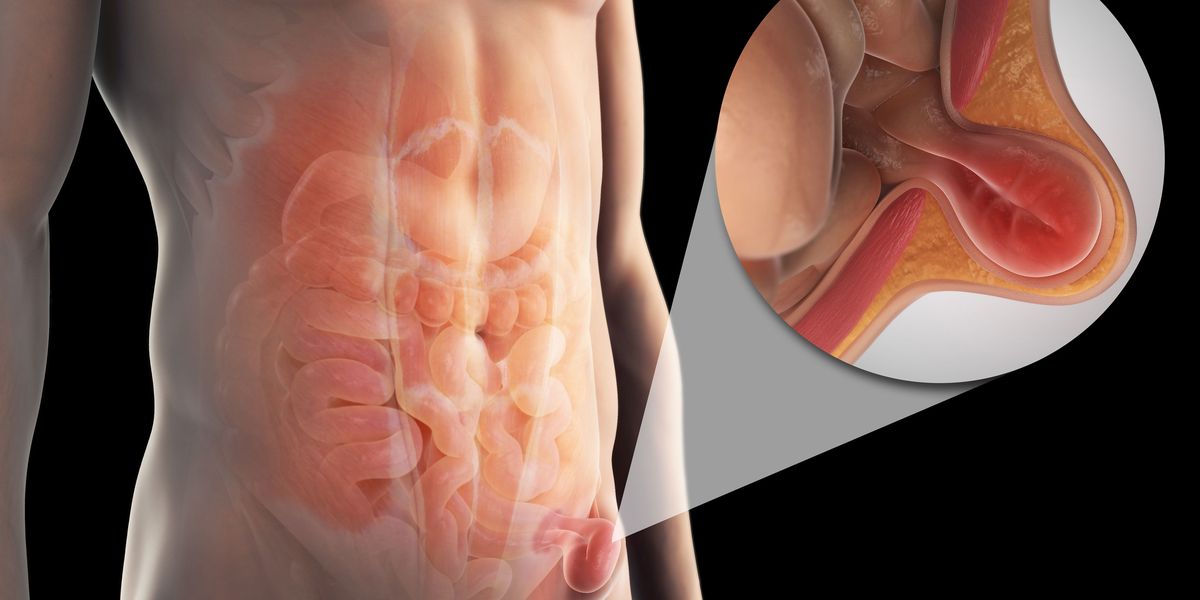
A groin hernia, also known as inguinal hernia, occurs when a portion of the intestine or abdominal tissue bulges through a weak spot in the abdominal wall or inguinal canal, resulting in a noticeable lump or swelling. Groin hernias can cause discomfort, pain, and other complications, necessitating timely medical intervention. Fortunately, several treatment options are available to provide effective relief and prevent potential complications.
Hernia Watchful Waiting: In some cases, especially if the hernia is small and not causing significant discomfort, a healthcare professional may recommend a watchful waiting approach. Regular monitoring is essential to detect any changes in size or symptoms.
Lifestyle Modifications: Healthcare providers may recommend lifestyle changes, such as weight management and avoiding heavy lifting, to alleviate hernia symptoms and prevent the hernia from worsening.
Hernia Truss: A hernia truss is a supportive undergarment designed to hold the hernia in place. While it can provide temporary relief, it does not treat the underlying hernia and is generally considered a temporary solution.
Surgical Repair: Surgical intervention is the most effective and permanent solution for groin hernias. There are two common surgical techniques for hernia repair:
Open Hernia Repair: In this traditional approach, a surgeon makes an incision near the hernia site, pushes the bulging tissue back into place, and reinforces the weakened area with stitches or a mesh patch.
Laparoscopic Hernia Repair: Laparoscopic surgery involves making small incisions and using a laparoscope and specialized instruments to repair the hernia. A mesh patch is often used to reinforce the weakened area. Laparoscopic hernia repair offers smaller scars, reduced post-operative pain, and faster recovery compared to open surgery.
Benefits of Groin Hernia Treatment:
Permanent Relief: Surgical repair provides a permanent solution, preventing the hernia from recurring and improving the patient's overall quality of life.
Minimally Invasive Options: Laparoscopic hernia repair, in particular, offers smaller incisions, reduced pain, and faster recovery, allowing patients to resume normal activities more quickly.
Prevention of Complications: Hernia surgery prevents complications such as strangulation, a potentially life-threatening condition where the blood supply to the herniated tissue is cut off.
Recovery and Post-Operative Care:
After hernia surgery, patients receive specific instructions regarding wound care, pain management, activity restrictions, and follow-up appointments. It is crucial to adhere to these guidelines to ensure proper healing and minimize the risk of complications.
Conclusion:
Groin hernia treatment options have significantly improved, providing patients with effective and minimally invasive solutions. Whether through watchful waiting or surgical intervention, patients can expect relief from hernia-related discomfort and a reduced risk of complications. If you suspect you have a groin hernia or have been diagnosed with one, consult a healthcare professional to discuss the most suitable treatment option for your specific condition, ensuring optimal care and a successful recovery.