Phone: +91 7600 674378
Mon-Sat (10am - 1pm , 6pm - 8pm)

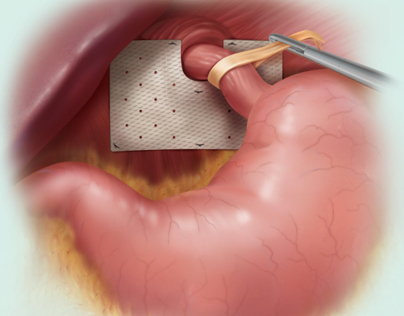
A hiatus hernia occurs when a portion of the stomach protrudes through the diaphragm into the chest cavity. The diaphragm normally has an opening (hiatus) through which the esophagus passes to connect to the stomach. Hiatus hernias can be of two types: sliding hiatus hernia, where the stomach and the esophagus slide into and out of the chest, and paraesophageal hiatus hernia, where part of the stomach squeezes through the hiatus and stays there. Hiatus hernias can cause discomfort and may lead to gastroesophageal reflux disease (GERD), a condition where stomach acid backs up into the esophagus.
The exact cause of hiatus hernias is not always clear. Factors that may contribute to the development of hiatus hernias include weakened muscles in the diaphragm, increased pressure in the abdominal cavity (due to obesity, pregnancy, heavy lifting, or straining), or age-related changes in the diaphragm tissue.
After hiatus hernia surgery, patients receive specific instructions on diet, activity restrictions, wound care, and follow-up appointments. It's crucial to follow these guidelines to ensure proper healing and minimize the risk of complications.
Hiatus hernia can cause discomfort and affect the quality of life. While lifestyle modifications and medications can manage symptoms in many cases, surgery may be necessary for long-term relief, especially if complications occur. If you are experiencing symptoms suggestive of hiatus hernia, consult a healthcare professional for an accurate diagnosis and discuss the most appropriate treatment options tailored to your specific condition, ensuring optimal care and improved quality of life.